
Understand the wood
Identify the material, existing finish, and appearance you want to preserve or change.
Stain and clear finishes bring attention to the wood itself. The species, previous treatment, grain, and exposure all shape what is possible—and make real samples essential.
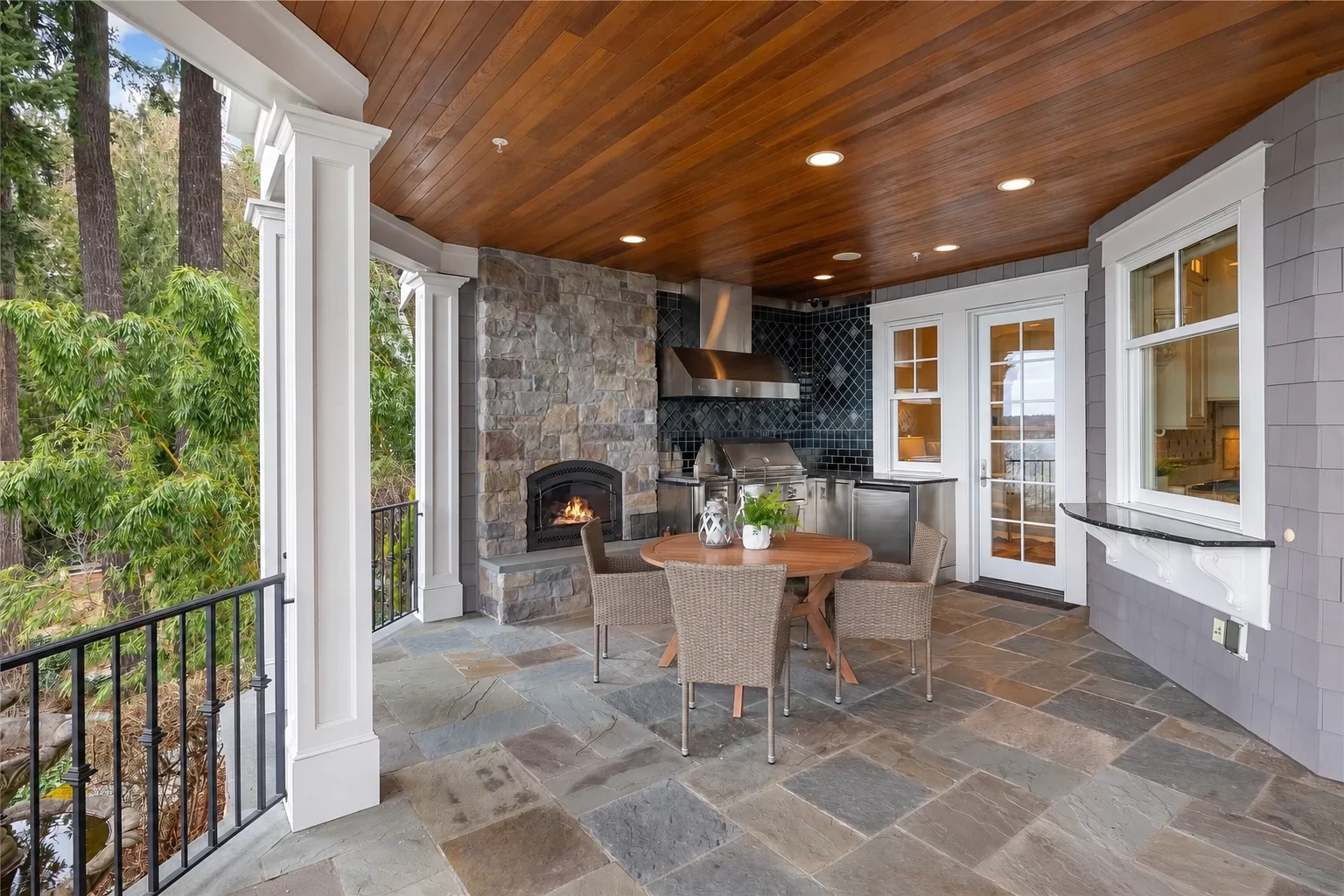
The final scope is based on the condition and suitability of the surfaces in your home.
Identify the material, existing finish, and appearance you want to preserve or change.
Review a sample on the actual wood or a suitable matching piece before approving the finish.
Define any cleaning, stripping, sanding, or repair needed for a consistent application.
Apply the approved system and review the natural variation, finish, and care requirements.
Transparent, semi-transparent, more opaque, and clear systems serve different appearance goals. Selection depends on the wood, its condition, the setting, and compatible product options.
Color & finish guidanceStain does not behave like opaque paint. Natural variation and earlier repairs can remain visible, and a dark existing finish may limit how light a new finish can become without additional work.
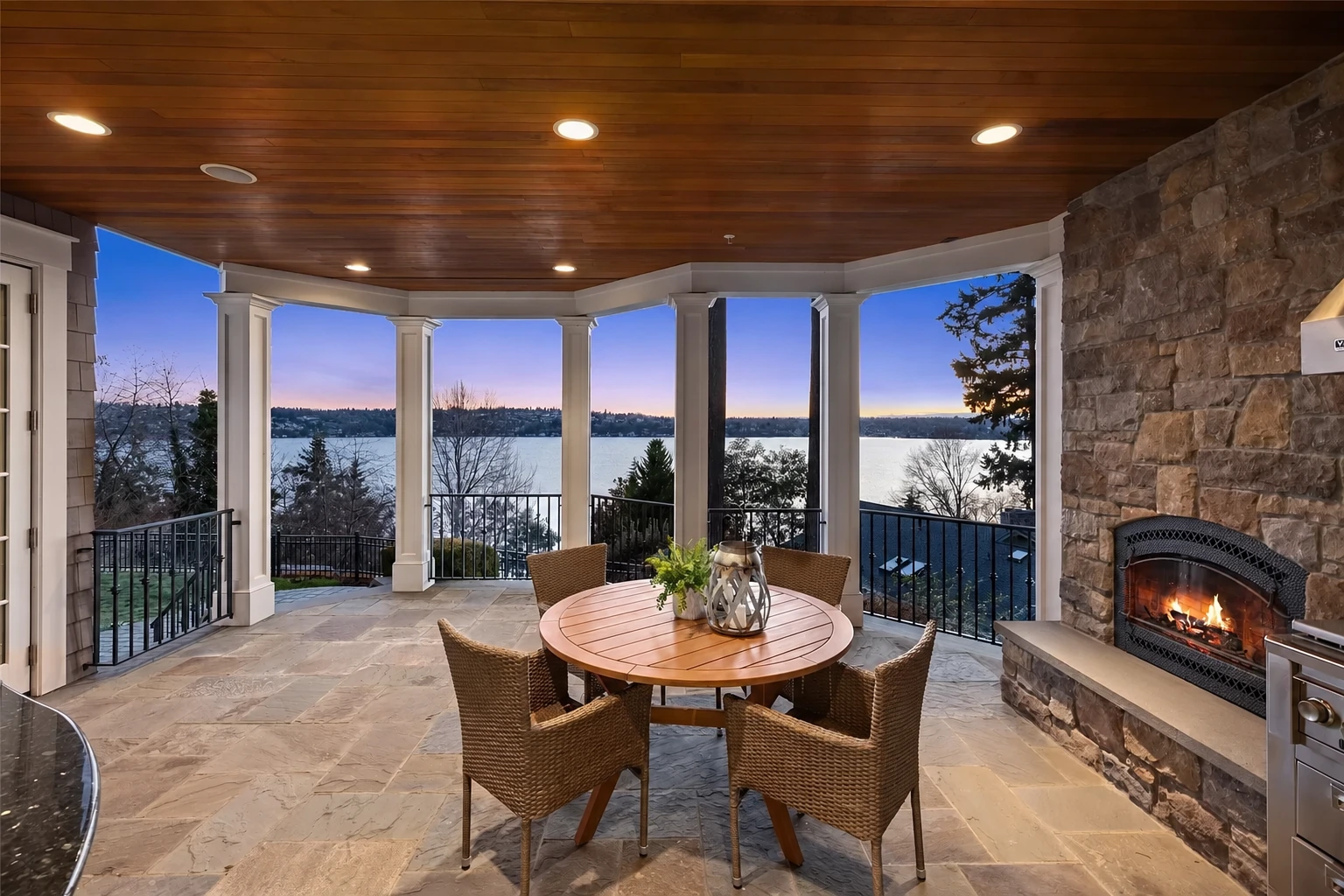
A project-specific proposal connects the price to the preparation, materials, and work included.
How proposals are preparedRequest an estimate for your specific scope.
A sample-based approach can help establish the closest approved result. Different boards and repairs may still absorb and reflect color differently.
That requires an assessment of the wood and existing finish. Stripping or additional preparation may be needed, and the final appearance should be approved through samples.
Natural variation is part of wood. Samples help establish the range of color and grain appearance you are comfortable with.
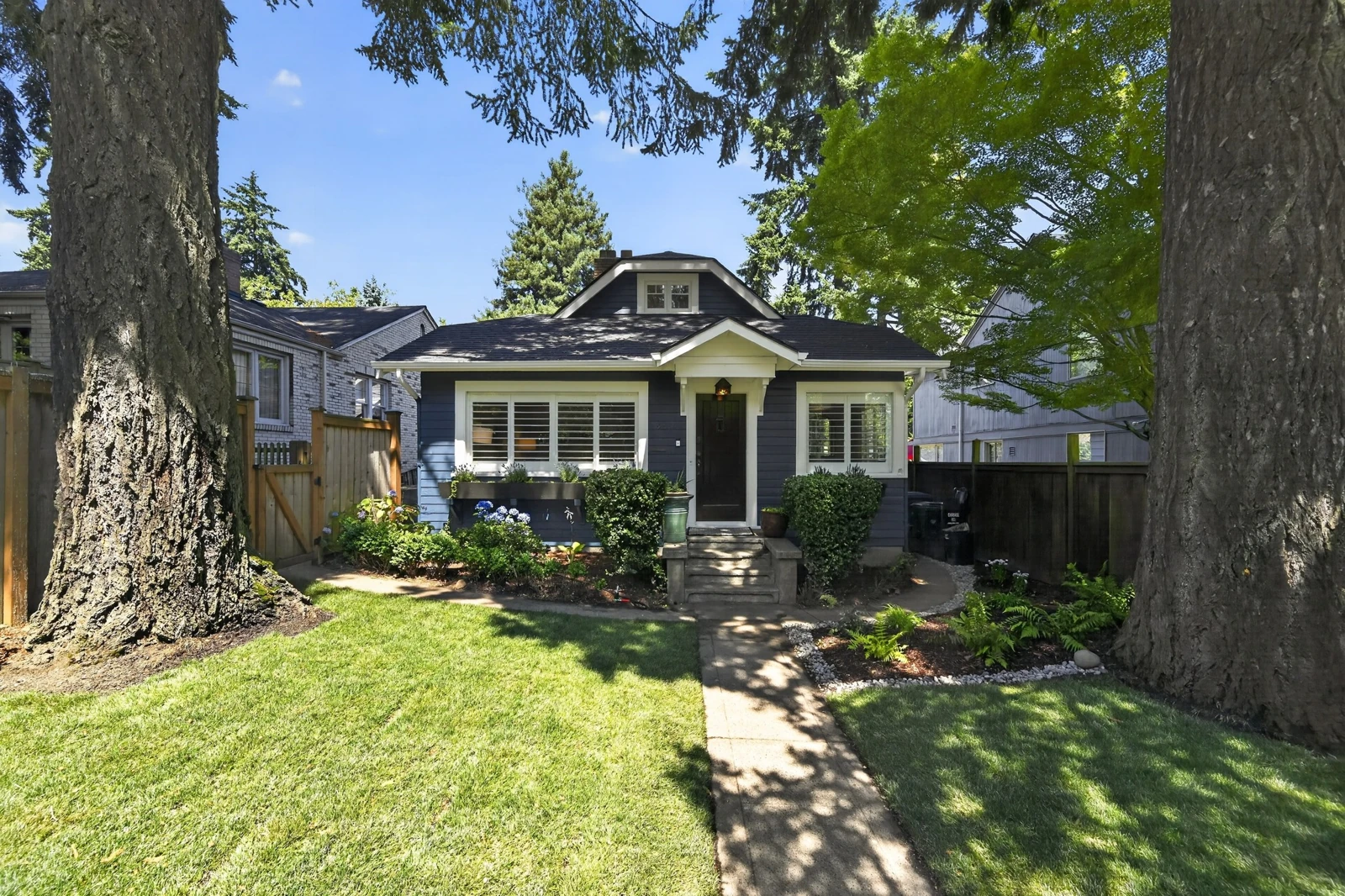
Tell us about your space, the finish you have in mind, and what matters most to you.
Request an Estimate